Your week · Meals and your kitchen

Will I enjoy the food, and will it work in my kitchen?

The science sets the needs. Your tastes shape the food.

Your goals, body and the demands of your day shape the fuel you need. KEXBI calculates the ingredients and amounts, then its chef uses your food preferences, flavours and cooking choices to turn them into dishes.

See how your foods become meals ↓
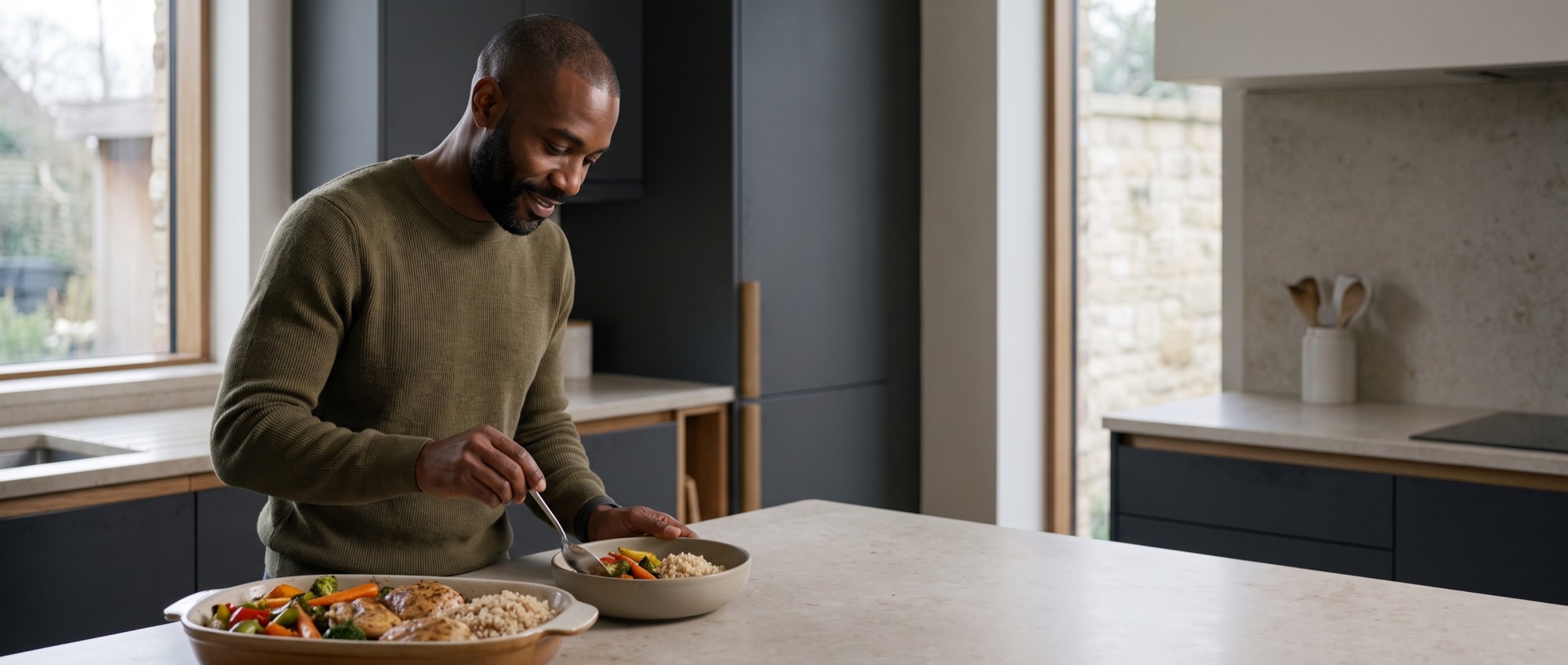
A man serving a meal in his kitchen
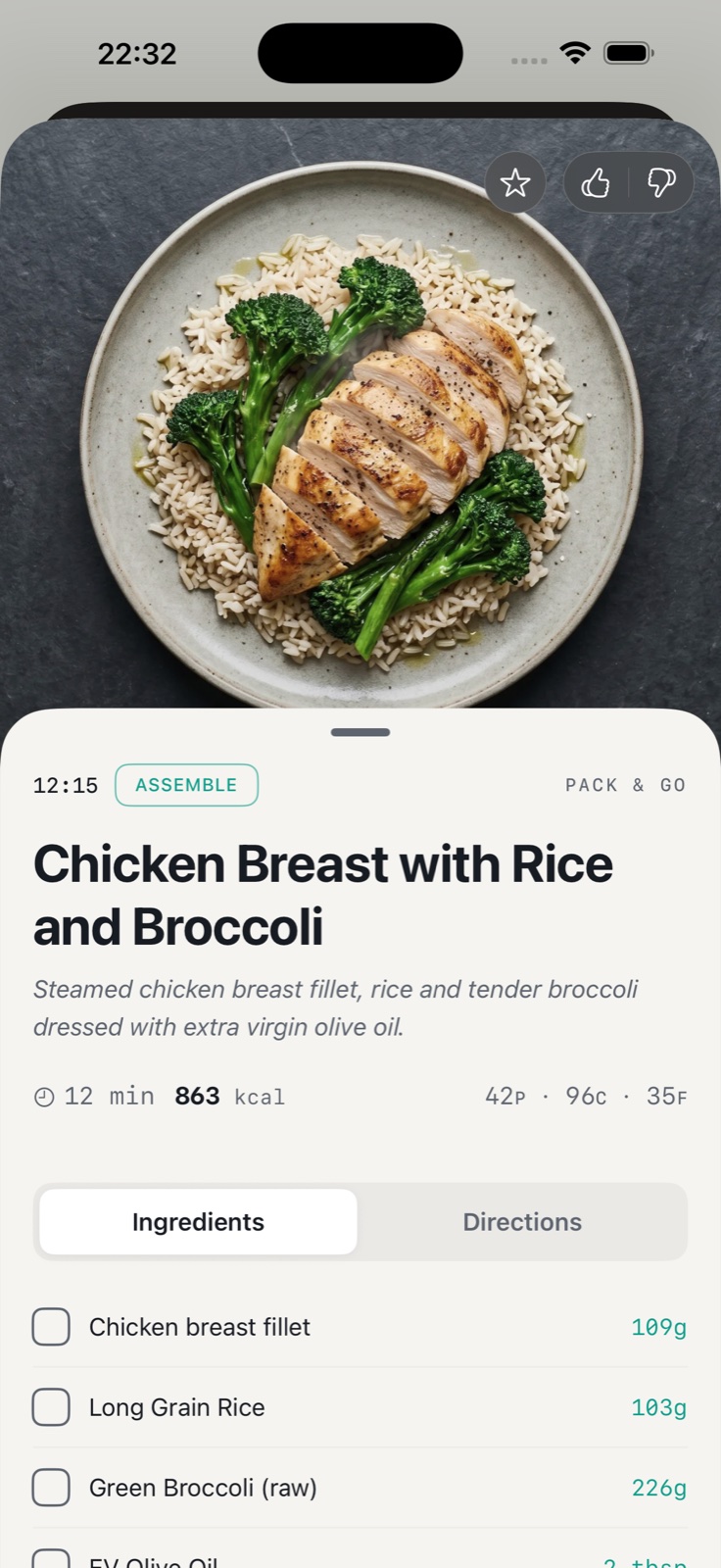
KEXBI Chicken Breast with Rice and Broccoli meal showing the food, preparation time and ingredients
Your pantryFamiliar staples and preferred brandsYour flavoursTaste profiles from your spice shelfYour way to cookCook fresh or prepare ahead

Will it use the foods I like?

Your usual foods. Right down to the brand.

Your Pantry records the foods and brands you like to use. Your shopping list brings together the quantities your planned meals need.

Start with common staples such as chicken breast, broccoli or tuna. Add the specific products you prefer by searching or scanning. The chef builds from those choices, using the nutritional information for the item you select.

See which food choices could help your plan.

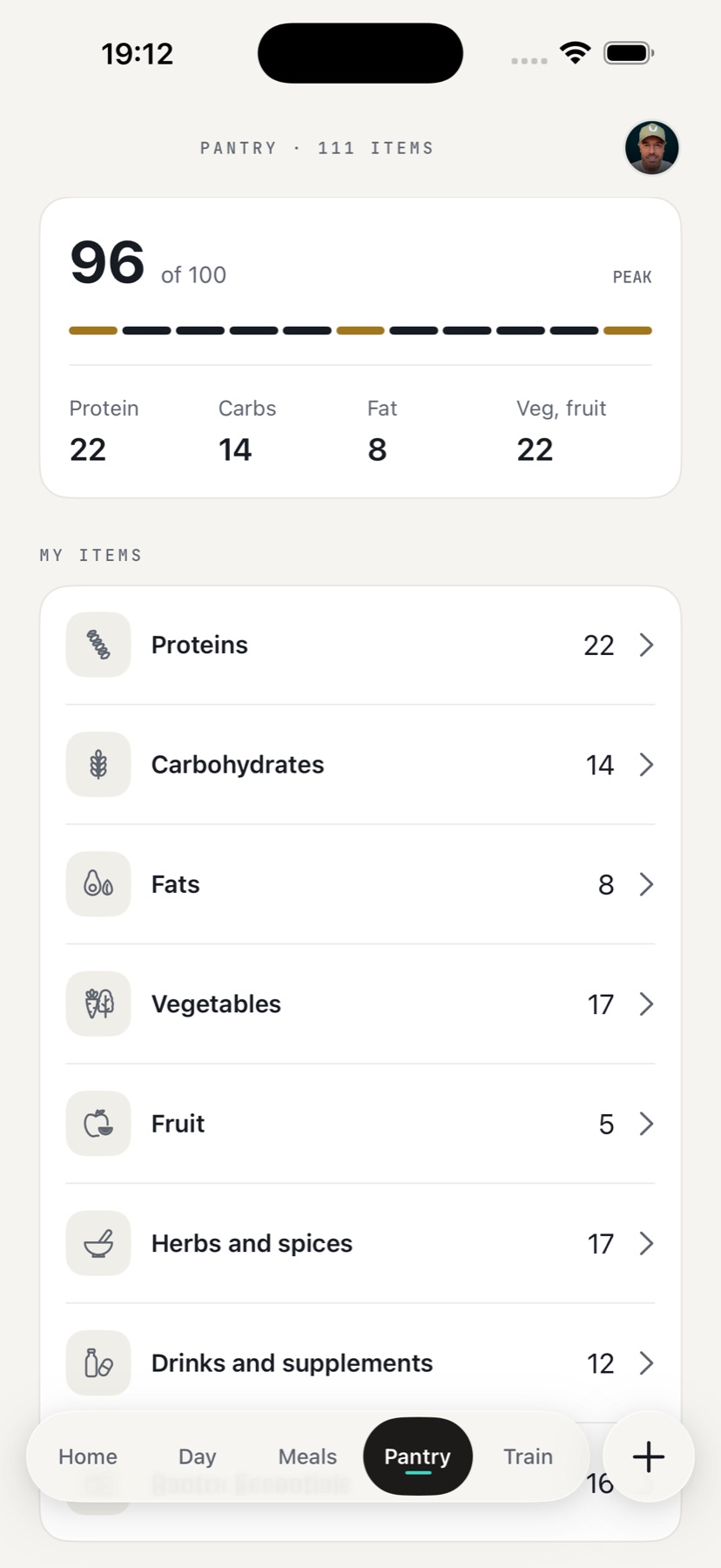
Your Pantry score shows how well your food choices support your plan. KEXBI checks for gaps against the week ahead, including upcoming training, and suggests foods that could help.

Choose a suggestion and add it to your Pantry. When a meal uses that food, its required quantity contributes to the weekly shopping list.

→ See the gap. Choose what to add. Shop for it when it is needed.
KEXBI Pantry overview showing food categories, herbs and spices, and selected items

Will the meals taste like my kind of food?

Look forward to what’s on your plate.

Choose the taste profiles you enjoy. The chef brings those flavours to the calculated ingredients using the herbs and spices in your spice shelf. Pick none for a broad mix of flavours.

If a taste profile needs herbs or spices you have not added yet, KEXBI shows what to add to your spice shelf in My Pantry.

→ Change your tastes any time. Your choices apply from the next plan build.

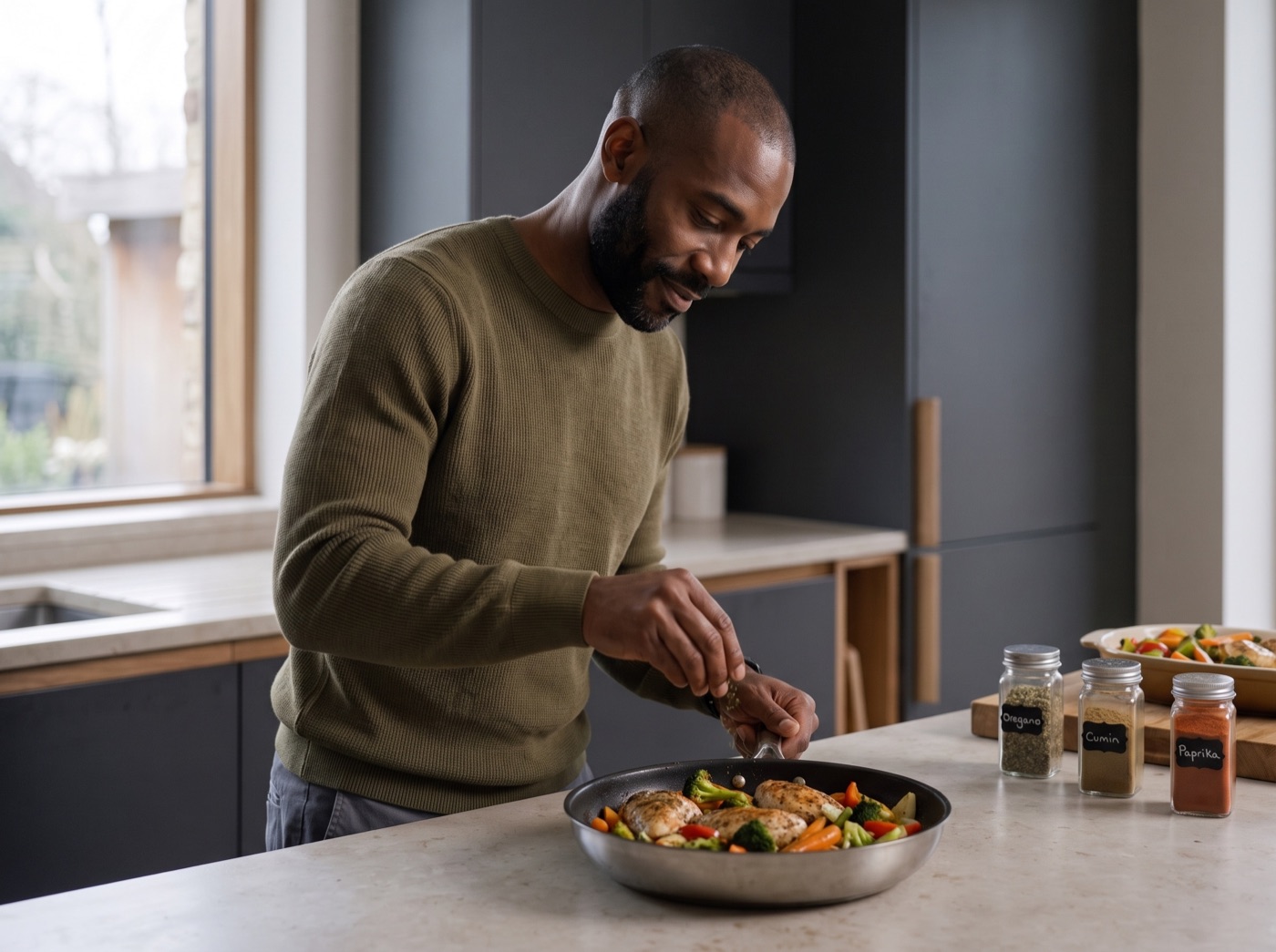
Man adding herbs and spices to a meal in his kitchen
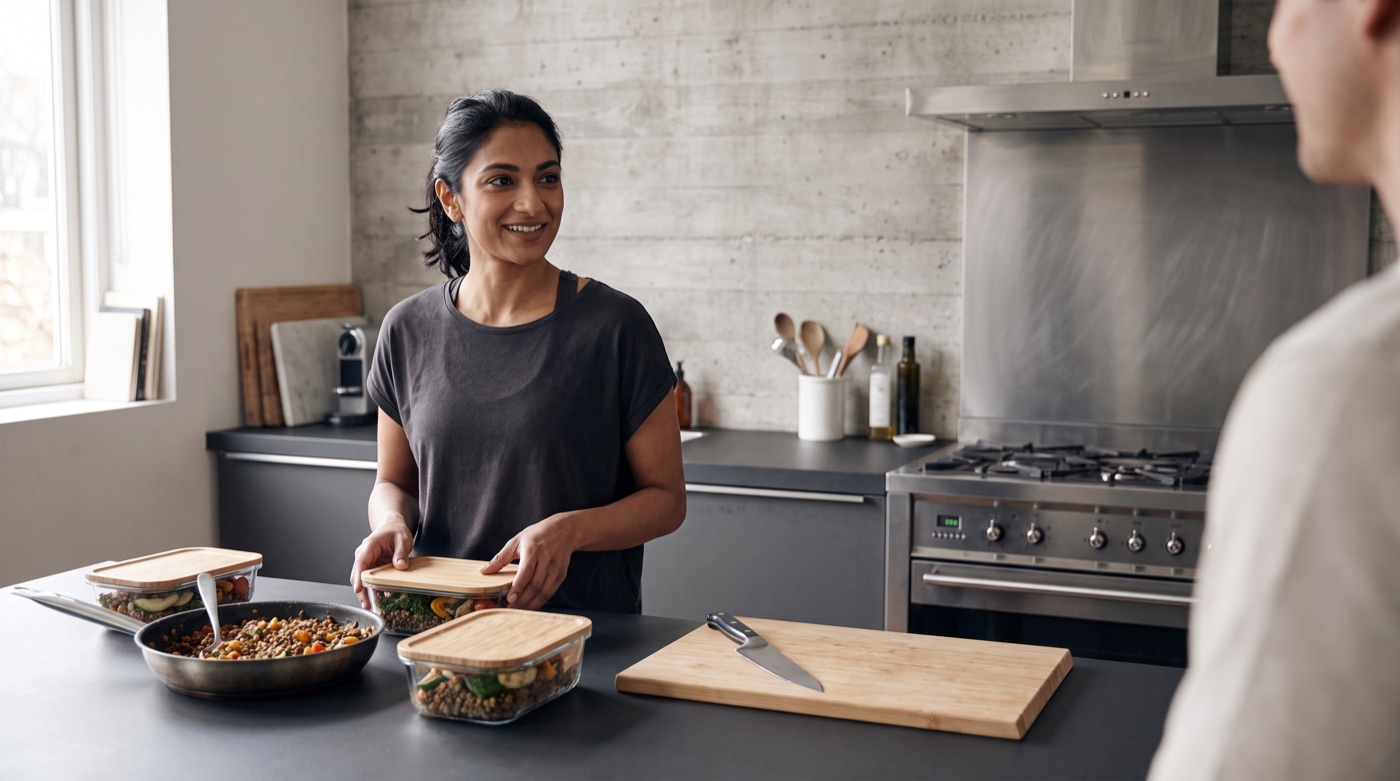
Woman preparing individual meals in her kitchen
Food to look forward to

Your fuel needs.
Your favourite flavours.

Will the food fit what I’m doing?

Food that fits the moment.

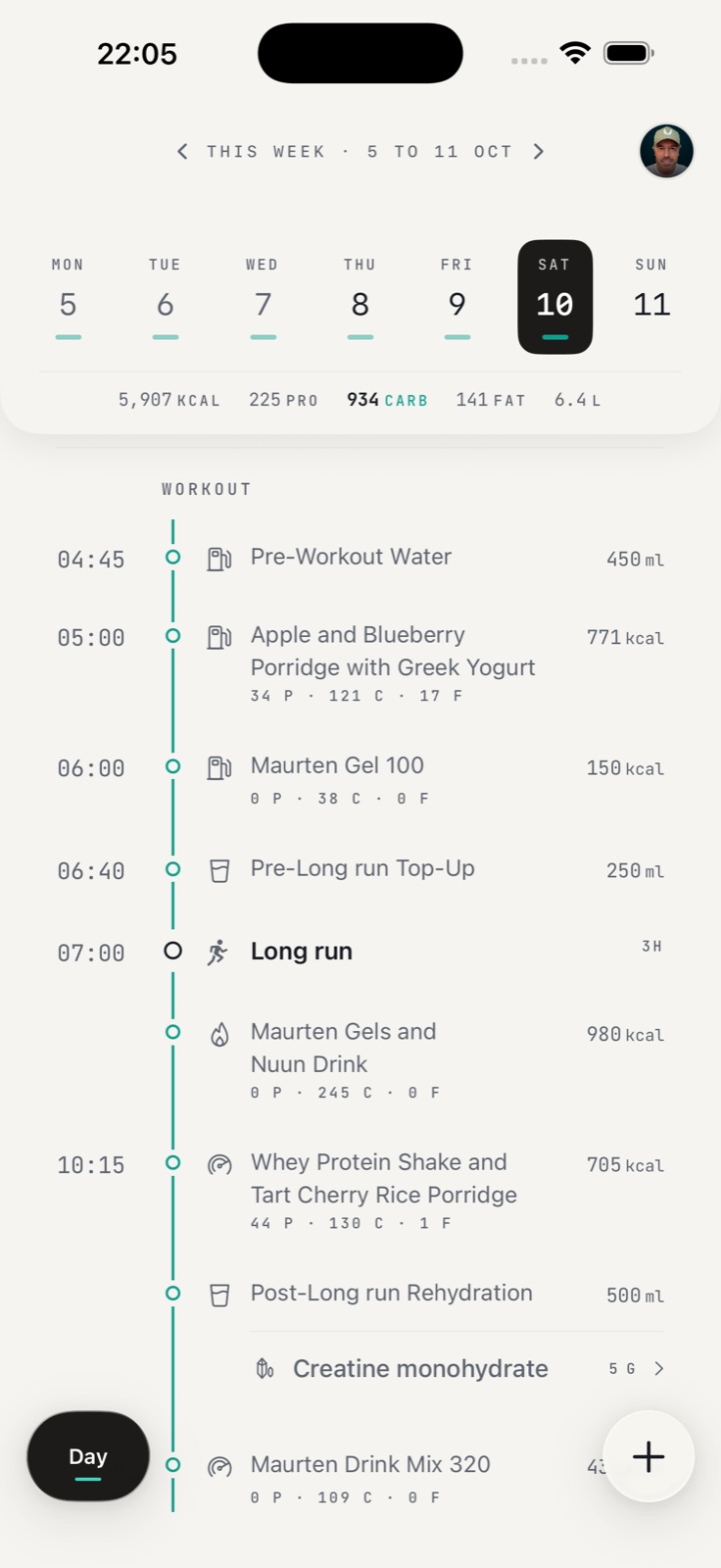
A meal has a place in your day as well as a place on your plate. The time available, your training and the part of the day help shape its ingredients and amounts, from breakfast to food after a workout or before bed.

In this long-run morning, breakfast comes early, fuel is placed around the run, and a recovery meal follows. The food and its timing are worked out together.

→ Know what to eat and when, with your day already considered.

Actual long-run morning with early breakfast, workout fuel and a post-run meal

How much should I use?

Your portions, worked out.

Your needs become ingredient amounts you can follow. The meal shows the preparation state for each portion; the shopping list uses the source quantity. The calculations use the nutritional information for your chosen foods and products, accounting for raw and cooked weights.

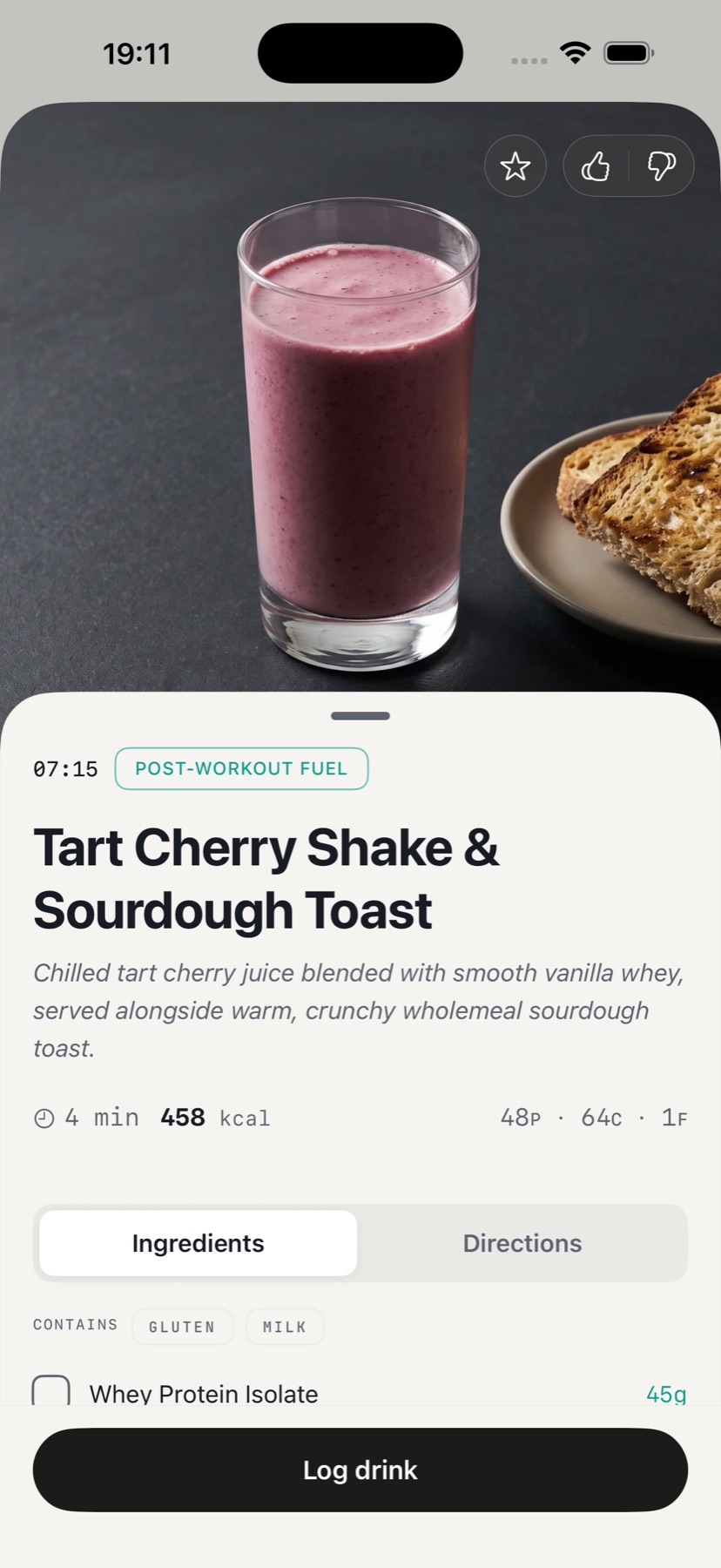
This post-workout cherry shake and sourdough toast includes 150 g of Simple Truth 100% Tart Cherry Juice. Open the meal to see the ingredients, amounts and nutrition behind it.

→ You do not have to turn nutrition targets into ingredient amounts yourself.

Actual KEXBI meal screen: Tart Cherry Shake and Sourdough Toast, with the meal photograph, preparation time and nutrition
Actual app walkthrough

Open the meal. See the product behind it.

Follow the ingredient list into the cherry juice’s nutritional details and its place in your plans.

The meal uses 150 g of your chosen product. The recording shows the actual app output.

A saved meal · Tuesday 6 October 2026

See why this meal is yours.

KEXBI calculates amounts of foods Luke prefers and usually stocks, around the needs of this meal. The Chef uses those ingredients and quantities, with his tastes and kitchen in mind, to craft his lunch.

1. The meal’s targets

Lunch at 13:45 continues refuelling after Luke’s morning run. Tuesday’s higher carbohydrate needs reach beyond the food around the session, so lunch has a larger carbohydrate allocation than Monday’s.

Protein
50 g
Carbohydrate
113 g
Fat
38 g

The calculated share of this day’s nutrition.

2. The foods and amounts

Chicken provides lean protein for ongoing muscle repair. Quinoa brings carbohydrate and fibre to sustain the afternoon, broccoli adds vegetables and fibre, and avocado oil supplies fat. Their amounts are calculated together for this lunch.

  • Skinless chicken meat: 104 g, raw
  • Quinoa: 170 g
  • Broccoli: 112 g, raw
  • Avocado oil: 1½ tbsp
  • Paprika: 1 g
  • Ground cinnamon: 2 g

Ingredient weights rounded for display. The method below describes how to prepare them.

3. The chef’s dish

Pan-Fried Chicken with Quinoa and Broccoli

The Chef pan-fries the chicken with paprika and cinnamon from Luke’s pantry, and serves it with quinoa and broccoli. The calculated quantities become the ingredients and cooking directions for this dish.

Protein
50 g
Carbohydrate
115 g
Fat
38 g

Target and planned food shown separately, rounded to whole grams.

Open the chef’s cooking directions

Rinse the quinoa and simmer covered in water for 15 minutes, resting 5 minutes off heat. Rub the chicken with avocado oil, paprika and ground cinnamon, then pan-fry for 6 to 8 minutes until cooked through with no pink, steaming the broccoli florets above the quinoa for the final 5 minutes.

The saved steps list 22 minutes. These are the directions from this example, not a timing guarantee for every kitchen.

Luke’s saved lunch · 6 October 2026. Planned food and nutrition.

See how your performance team builds the food →

Fresh tonight or ready ahead?

A meal you can get on and make.

Open your meal for its ingredients, preparation time and cooking directions. The chef turns the calculated amounts into a dish you can make, whether you choose to cook fresh or prepare ahead.

→ Know what to prepare, how much and what to do next.

Man finishing a homemade meal in his kitchen

Do I have to log everything?

Follow the plan. Record what helps.

You can follow your meals without logging. If you choose to record your intake and weigh-ins, those trends help refine the estimates behind your food plan over time.

→ Follow the food already worked out for you, with the choice to add more context.

Man using his phone after finishing a meal in his kitchen
From meals to your weekly shop

The products you chose. The quantities for the week.

Your selected products carry through to the shopping list, with the quantities needed for the week ahead. You do not have to add up the ingredients across every meal yourself.

Explore shopping and preparation →

A few things you might be wondering.

Are the portions raw or cooked?

Follow the weight and preparation state shown for the ingredient or serving. The plan can carry a raw quantity for preparation and an estimated cooked portion for serving. Cooking changes water content, so the two weights can differ.

See how a portion is calculated →
Is this personalised to me?

Yes. Your Pantry, food preferences and chosen flavours shape the meals. Your body goal and training needs shape the portions, while preparation instructions tell you how to make each dish.

See how your meals are put together →
Can I use my usual foods?

Your familiar foods, preferred products and flavours give the chef its starting point.

Do I need to log every meal?

You can follow the plan without recording every meal. Logging is optional.